Discover how dynamic LED lighting helped Greentone boost cannabis yields by 25% and THC levels by 10%—a game-changer for modern cultivators.


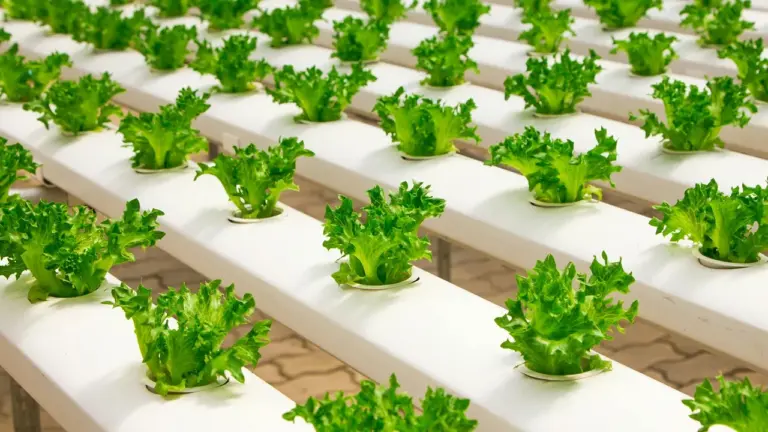
Urban agriculture is becoming one of the most important responses to rising food demand, rapid urbanization, and climate pressures across Africa. In cities like Yaoundé, Douala, Nairobi, Lagos, and Accra, the pressure on food systems is increasing as populations grow faster than traditional rural farming systems can supply. At the same time, available farmland is shrinking due to construction, infrastructure development, and land competition. This is where innovative systems like aquaponics are starting to attract serious attention not as a futuristic idea, but as a practical solution for sustainable food production in limited spaces. Aquaponics is a system that combines aquaculture (raising fish) with hydroponics (growing plants in water without soil), creating a closed-loop ecosystem where fish waste provides nutrients for plants, and plants naturally filter the water for the fish. According to https://en.wikipedia.org/wiki/Aquaponics, this system integrates biological cycles to produce both fish and crops efficiently in a shared environment. What makes aquaponics especially relevant for Africa and Cameroon is its ability to produce food in small urban spaces while using significantly less water than traditional agriculture. In regions where water scarcity, land limitations, and food supply challenges are becoming more common, this system offers a realistic path toward local food security. Unlike conventional farming that requires large plots of land and seasonal rainfall, aquaponics can be set up in backyards, rooftops, balconies, or small urban farms, making it highly adaptable to city environments. In Cameroon, where urbanization is accelerating, especially in cities like Douala and Yaoundé, aquaponics presents a way to bring food production closer to consumers, reducing dependency on rural supply chains that are often affected by transportation costs, spoilage, and delays. One of the most powerful aspects of aquaponics is its efficiency in water usage. Traditional farming systems often waste large amounts of water through evaporation, runoff, and inefficient irrigation methods. In contrast, aquaponics recycles water continuously within the system. The fish tank water, rich in nutrients from fish waste, is circulated to plants, which absorb the nutrients and naturally filter the water before it is returned to the fish. This closed-loop system can use up to 90% less water than conventional farming, making it especially valuable in areas where water resources are under pressure. In Cameroon, where climate variability can lead to inconsistent rainfall, this level of efficiency provides a more stable and controlled method of food production. Another major advantage is the ability to produce two sources of food simultaneously fish and vegetables. This dual output increases productivity per square meter, making aquaponics highly suitable for urban environments where space is limited. Leafy vegetables such as lettuce, spinach, basil, and kale grow particularly well in aquaponic systems, while fish species such as tilapia are commonly used due to their adaptability and fast growth. This combination creates both nutritional and economic benefits, as families or small businesses can consume or sell both products. In African cities where food prices can fluctuate significantly, this kind of self-sustaining system can help improve food affordability and accessibility. Beyond production, aquaponics also contributes to environmental sustainability by reducing the need for chemical fertilizers. In traditional agriculture, fertilizers are often used to boost crop growth, but they can lead to soil and water pollution when mismanaged. In aquaponics, fish waste naturally provides the nutrients needed for plant growth, eliminating the need for synthetic inputs. This creates a cleaner, more eco-friendly farming system that aligns with sustainable agriculture principles described at https://en.wikipedia.org/wiki/Sustainable_agriculture. For Cameroon and other African countries facing environmental degradation in some farming regions, this approach offers a way to produce food while minimizing ecological damage. Additionally, aquaponics systems can be integrated into urban food strategies, community farming projects, schools, and even restaurants, making it a versatile solution for different scales of operation.
The real strength of aquaponics becomes even more visible when it is integrated into broader urban farming systems, especially in fast-growing African cities where food demand is constantly increasing. Urban farming itself refers to the practice of cultivating, processing, and distributing food in or around urban areas, and it is becoming a key strategy for improving food security in densely populated regions. In Cameroon, urban farming is already visible in small vegetable gardens, rooftop farms, and backyard cultivation, but aquaponics takes this concept to a more advanced and efficient level. By integrating fish farming and crop production into a single system, urban farmers can maximize output while minimizing space and resource requirements. One of the most important benefits of integrating aquaponics into urban farming is the reduction of dependency on long and fragile supply chains. In many African cities, food travels long distances from rural farms to urban markets, often leading to high transportation costs, spoilage, and inconsistent supply. Aquaponics allows food to be produced directly within cities, reducing the time between production and consumption. This not only improves freshness but also enhances food security by ensuring a more stable local supply. For example, a small aquaponics setup in Yaoundé can supply fresh vegetables and fish directly to nearby households, restaurants, or markets without relying heavily on rural distribution networks. Another important advantage is the economic opportunity it creates for urban residents. Aquaponics systems can be operated as small businesses, providing income for young entrepreneurs, families, and community groups. In Cameroon, where youth unemployment is a growing concern, urban aquaponics farming offers a practical way to combine agriculture and entrepreneurship. With relatively small startup space, individuals can produce high-value crops and fish that can be sold locally. Over time, as skills and systems improve, these operations can scale into larger commercial urban farms. Education and training also play a crucial role in successful integration. Many people are unfamiliar with how aquaponics works, so training programs and demonstration farms are essential for adoption. Schools and universities in Africa are beginning to explore aquaponics as a teaching tool for biology, environmental science, and agriculture, helping students understand ecosystems in a practical way. This educational aspect is important because it builds long-term awareness and capacity. Technology further enhances aquaponics systems by improving monitoring and efficiency. Sensors can track water quality, temperature, and nutrient levels, ensuring optimal conditions for both fish and plants. In more advanced setups, automated systems can regulate feeding, water circulation, and lighting. Even simple mobile-based monitoring tools can help urban farmers in Cameroon manage their systems more effectively. While aquaponics requires initial setup knowledge and investment, it becomes highly efficient once established, offering consistent production throughout the year regardless of external weather conditions. This stability is especially valuable in African cities where food supply can be affected by seasonal disruptions. Ultimately, integrating aquaponics into urban farming is not just about introducing a new technology it is about rethinking how cities produce food. It creates a more localized, resilient, and sustainable food system that reduces pressure on rural agriculture while improving urban food access. For Cameroon and other African nations, this approach represents a powerful opportunity to transform urban spaces into productive agricultural hubs that contribute directly to food security, economic development, and environmental sustainability.