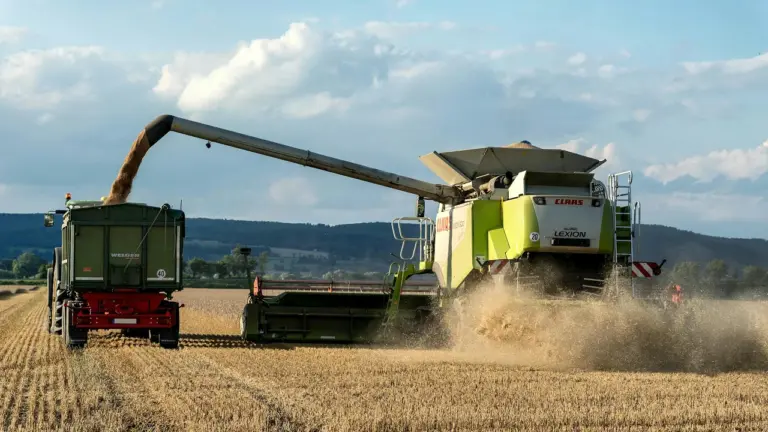
Digital transformation in agriculture is revolutionising the sector. Discover its impact, benefits, and future challenges.


Digital transformation in agribusiness is rapidly shifting from being an optional upgrade to becoming a necessary strategy for survival and growth, particularly in Africa where agriculture remains a dominant economic sector. In simple terms, digital transformation involves integrating technology into every aspect of a business to improve efficiency, productivity, and decision-making. According to https://en.wikipedia.org/wiki/Digital_transformation, it is a process that fundamentally changes how organizations operate and deliver value to their stakeholders. In agribusiness, this transformation is not just about adopting modern tools it is about rethinking traditional systems and embracing innovation to solve long-standing challenges such as low yields, poor market access, and vulnerability to climate change.
Across Africa, and especially in Cameroon, agriculture employs a large percentage of the population, yet productivity remains relatively low compared to global standards. Many farmers still rely on manual processes, limited information, and unpredictable weather patterns. These challenges create inefficiencies that reduce income and hinder growth. Digital transformation offers a pathway to overcome these obstacles by introducing smarter systems that enhance productivity and resilience. However, the question many agribusiness owners and farmers face is where to begin. The journey can seem complex, but with a clear understanding of priorities and a step-by-step approach, digital transformation becomes both achievable and sustainable.
Imagine a cocoa farmer in Cameroon who depends entirely on seasonal rainfall and local buyers. Every planting season is a gamble, and every harvest depends on factors beyond their control. Now imagine that same farmer equipped with a simple mobile phone that provides weather forecasts, alerts about pest outbreaks, and access to buyers offering competitive prices. The difference is not just technological—it is transformational. This is the power of digital transformation in agribusiness. It turns uncertainty into opportunity and replaces guesswork with informed decisions. It empowers farmers to move from survival-based farming to profit-driven agribusiness.
The first step in beginning digital transformation is understanding the current state of your agribusiness. This involves assessing existing operations, identifying inefficiencies, and determining areas where technology can make the most impact. For many farmers in Cameroon, this may include challenges such as poor record-keeping, lack of access to timely information, and limited connectivity to markets. By identifying these gaps, agribusinesses can prioritize solutions that address their most pressing needs. This initial assessment is crucial because it ensures that investments in technology are targeted and effective, rather than wasted on tools that do not align with actual challenges.
Once the assessment is complete, the next step is to adopt basic digital tools that improve communication and access to information. Mobile phones have become one of the most powerful tools for digital transformation in Africa due to their widespread availability. Farmers can use mobile devices to access weather forecasts, market prices, and agricultural advice. These simple tools can significantly improve decision-making and reduce risks associated with farming. In Cameroon, where smartphone usage is steadily increasing, mobile-based solutions provide an accessible entry point into digital agriculture. By starting with familiar and affordable technologies, farmers can gradually build confidence and expand their digital capabilities.
Another important starting point is data management. In modern agribusiness, data plays a critical role in improving productivity and efficiency. Farmers who keep accurate records of their activities, such as planting dates, input usage, and yields, are better equipped to make informed decisions. Digital tools make it easier to collect, store, and analyze this information. Over time, this data can reveal patterns and insights that help optimize farming practices. The concept of using large datasets to drive decisions is closely related to https://en.wikipedia.org/wiki/Big_data, which emphasizes the importance of analyzing vast amounts of information to identify trends and opportunities. In Cameroon, encouraging farmers to adopt basic data practices can lay the foundation for more advanced digital solutions in the future.
Improving market access is another critical area where digital transformation can begin. One of the biggest challenges faced by farmers in Africa is the inability to connect directly with buyers. This often results in reliance on intermediaries who offer low prices, reducing farmers’ profits. Digital platforms provide a solution by enabling farmers to reach buyers directly, compare prices, and negotiate better deals. These platforms also provide transparency, allowing farmers to make informed decisions about when and where to sell their products. In Cameroon, the adoption of digital marketplaces is gradually increasing, particularly in sectors such as cocoa and agricultural exports. By leveraging these platforms, farmers can increase their income and gain greater control over their businesses.
Financial inclusion is also a key component of digital transformation in agribusiness. Many farmers in Cameroon and across Africa lack access to traditional banking services, which limits their ability to invest in their operations. Digital financial services, such as mobile money, provide an alternative by allowing farmers to send and receive payments, access credit, and manage their finances through their mobile devices. This not only improves convenience but also enables farmers to participate in the formal economy. Access to finance is essential for adopting new technologies, purchasing inputs, and expanding operations. By integrating digital financial tools into agribusiness, farmers can overcome financial barriers and unlock new opportunities for growth.
Another important aspect of digital transformation is improving efficiency through automation and smart technologies. While advanced technologies such as drones and automated systems may not be immediately accessible to all farmers, they represent the future of agriculture. These tools can significantly reduce labor requirements, improve accuracy, and increase productivity. For example, automated irrigation systems can ensure that crops receive the right amount of water, while drones can monitor crop health and detect issues early. In Cameroon, the adoption of such technologies is still limited but is expected to grow as costs decrease and awareness increases. Starting with simpler tools and gradually transitioning to more advanced technologies is a practical approach for many agribusinesses.
Infrastructure plays a crucial role in enabling digital transformation. Reliable internet connectivity, access to electricity, and availability of digital devices are essential for implementing digital solutions. In many rural areas of Cameroon, these resources are still limited, creating a barrier to adoption. Addressing these challenges requires investment from both the public and private sectors. Governments, telecommunications companies, and development organizations must work together to improve infrastructure and create an environment that supports digital innovation. Without these foundational elements, the benefits of digital transformation cannot be fully realized.
Education and training are equally important in ensuring the success of digital transformation. Technology is only effective when users understand how to use it properly. Farmers and agribusiness professionals need training to develop digital skills and confidence. This includes learning how to use mobile applications, interpret data, and integrate digital tools into their daily operations. In Cameroon, there is a growing need for digital literacy programs that target farmers, especially in rural areas. By investing in education, stakeholders can empower farmers to take full advantage of digital technologies and improve their livelihoods.
A phased approach is essential when beginning digital transformation in agribusiness. Rather than attempting to implement complex systems all at once, it is more effective to start with simple solutions and gradually scale up. This approach reduces risks and allows businesses to adapt to new technologies over time. For example, a farmer might begin by using a mobile app for weather updates and later adopt more advanced tools such as data analytics or automated systems. This gradual progression ensures that digital transformation is sustainable and aligned with the capabilities of the business.
Collaboration and partnerships also play a significant role in driving digital transformation. Agribusinesses can benefit from working with technology providers, research institutions, and government agencies. These partnerships can provide access to resources, expertise, and funding that support the adoption of digital solutions. In Cameroon, collaboration between stakeholders can accelerate the development of digital agriculture and create a more integrated and efficient system. By working together, stakeholders can overcome challenges and maximize the impact of digital transformation.
One often overlooked but critical factor in digital transformation is mindset. Technology alone does not transform businesses—people do. Farmers and agribusiness owners must be willing to embrace change, experiment with new approaches, and learn from both successes and failures. Resistance to change is natural, especially when traditional methods have been used for generations. However, the rapidly evolving agricultural landscape demands adaptability. Those who are willing to learn and innovate will be better positioned to succeed in the long term. In Cameroon, fostering a culture of innovation and openness to technology can accelerate the adoption of digital solutions.
Digital transformation also creates new opportunities for youth engagement in agriculture. Across Africa, many young people are moving away from farming due to perceptions that it is labor-intensive and unprofitable. However, the integration of technology is changing this narrative. Digital agriculture offers exciting opportunities in areas such as data analysis, software development, drone operation, and digital marketing. By making agriculture more modern and technology-driven, digital transformation can attract a new generation of entrepreneurs and innovators. In Cameroon, this shift has the potential to reduce unemployment and drive economic growth.
Another compelling advantage of digital transformation is its ability to reduce risk. Agriculture is inherently risky due to factors such as weather variability, pests, and market fluctuations. Digital tools can help mitigate these risks by providing timely information and predictive insights. For example, weather forecasting tools can help farmers plan planting and harvesting activities, while data analytics can identify potential threats before they become major problems. By reducing uncertainty, digital transformation enables farmers to make more confident decisions and achieve more stable outcomes.
Sustainability is a key consideration in the digital transformation journey. The goal is not only to increase productivity but also to ensure that agricultural practices are environmentally responsible. Digital technologies can support sustainable farming by optimizing resource use and reducing waste. For example, precision farming techniques can minimize the use of water and fertilizers, while data analytics can help identify more sustainable practices. In Cameroon, adopting sustainable digital solutions can help address environmental challenges and ensure long-term agricultural productivity.
Ultimately, digital transformation in agribusiness is a journey that requires commitment, planning, and adaptability. It is not a one-time process but an ongoing effort to improve and innovate. For farmers and agribusinesses in Cameroon and across Africa, the key is to start small, focus on practical solutions, and build gradually. By embracing digital transformation, they can increase productivity, improve market access, and enhance resilience in the face of challenges.
The future of agriculture in Africa will be shaped by those who are willing to adopt new technologies and rethink traditional practices. Digital transformation offers a powerful opportunity to modernize agribusiness, empower farmers, and drive economic growth. In Cameroon, this transformation has the potential to unlock new opportunities and position the country as a leader in agricultural innovation. By taking the first steps today, agribusinesses can build a more sustainable, efficient, and profitable future for generations to come.