Innovations in regenerative agriculture, AI-powered data insights, biosolutions, and digital twins will lead the way.

1.The Rise of AgTech in Africa
Agriculture continues to serve as the backbone of many African economies, playing a crucial role in employment, food security, and overall economic stability. Across the continent, more than half of the population depends directly or indirectly on farming for their livelihoods. In countries like Cameroon, agriculture is not just an economic activity it is a way of life, deeply rooted in rural communities and cultural practices. However, despite its importance, the sector has long struggled with low productivity, outdated farming techniques, climate change, and limited access to modern tools and markets. These challenges have made it difficult for farmers to meet the growing food demands of a rapidly increasing population.
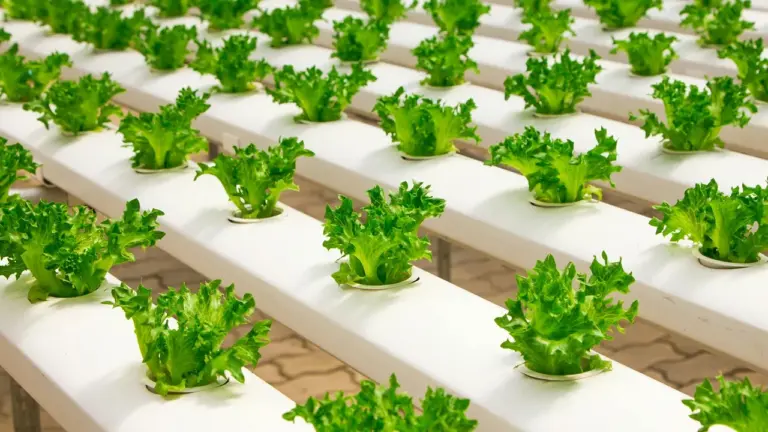
In 2025, Agricultural Technology (AgTech) is emerging as a powerful solution to these long-standing problems. AgTech refers to the use of advanced technologies such as artificial intelligence, mobile applications, data analytics, and automation to improve agricultural processes. Across Africa, governments, startups, and international organizations are investing heavily in AgTech to modernize farming systems. This shift is gradually transforming agriculture from a labor-intensive activity into a more efficient, data-driven industry.
In Cameroon, the adoption of AgTech is gaining momentum, particularly among young entrepreneurs and agribusiness startups. With increasing smartphone penetration and improved internet connectivity, farmers are now able to access digital tools that were once out of reach. These technologies are helping farmers make better decisions, reduce losses, and increase productivity. As a result, agriculture is becoming more attractive to the younger generation, who see it as a viable and profitable career path.
The rise of AgTech is not just about increasing yields; it is about building a more resilient and sustainable agricultural system. By embracing innovation, African countries, including Cameroon, have the opportunity to transform their agricultural sectors, improve food security, and drive economic growth. This blog explores the top five AgTech innovations that are leading this transformation in 2025.
2.Precision Farming and Data-Driven Agriculture
Precision farming is revolutionizing agriculture across Africa by introducing a more scientific and data-driven approach to farming. Traditionally, many African farmers have relied on experience and intuition to make decisions about planting, irrigation, and pest control. While this knowledge is valuable, it often leads to inefficiencies and inconsistent yields. Precision farming changes this by using technology to provide accurate, real-time data that helps farmers make informed decisions.
This innovation involves the use of sensors, satellite imagery, GPS technology, and mobile applications to monitor various aspects of farming. Farmers can track soil moisture levels, nutrient content, weather conditions, and crop health with remarkable accuracy. By analyzing this data, they can apply water, fertilizers, and pesticides only where and when they are needed. This not only increases crop yields but also reduces waste and environmental impact.
In Africa, precision farming is becoming more accessible through mobile-based platforms designed specifically for smallholder farmers. These platforms provide weather forecasts, planting advice, and pest alerts directly to farmers’ phones. In Cameroon, where small-scale farming dominates, such tools are gradually being adopted, especially in regions known for cocoa, maize, and vegetable production. Farmers are beginning to see the benefits of using data to guide their decisions, leading to improved productivity and income.
Moreover, precision farming supports sustainable agriculture by promoting efficient resource use. With climate change affecting rainfall patterns and soil fertility, the ability to optimize inputs is more important than ever. By adopting precision farming techniques, Cameroonian farmers can adapt to changing environmental conditions and maintain consistent production levels. As technology continues to evolve, precision farming is expected to become a standard practice across Africa, transforming the way food is produced.
3. Digital Agriculture Platforms and Market Access
One of the most significant challenges facing African farmers has always been limited access to markets. Many farmers, especially in rural areas, struggle to find reliable buyers for their produce and often depend on middlemen who offer low prices. This lack of transparency reduces farmers’ profits and discourages investment in agriculture. Digital agriculture platforms are addressing this issue by connecting farmers directly with buyers, suppliers, and service providers.
These platforms use mobile and web-based technologies to create virtual marketplaces where farmers can list their products, compare prices, and negotiate directly with buyers. They also provide valuable information such as market trends, demand forecasts, and pricing data, enabling farmers to make better selling decisions. Across Africa, digital platforms are transforming the agricultural value chain by increasing efficiency and reducing exploitation.
In Cameroon, digital agriculture is gradually gaining traction, particularly in the cocoa and coffee sectors. Farmers and cooperatives are beginning to use online platforms to reach international markets, improving their bargaining power and income. Additionally, these platforms often integrate financial services, logistics support, and agricultural advisory tools, making them a one-stop solution for farmers.
Another key benefit of digital platforms is their ability to promote transparency and trust. By providing accurate information and secure payment systems, they reduce the risks associated with traditional trading methods. This encourages more farmers to participate in formal markets and expand their operations.
As internet access continues to improve across Cameroon and other African countries, the adoption of digital agriculture platforms is expected to grow rapidly. These platforms are not only improving market access but also empowering farmers to take control of their businesses. By leveraging technology, African farmers can overcome traditional barriers and compete in both local and global markets.
4.Climate-Smart Irrigation and Solar Technology
Climate change poses a significant threat to agriculture in Africa, with unpredictable rainfall patterns, prolonged droughts, and rising temperatures affecting crop production. In countries like Cameroon, where many farmers rely on rain-fed agriculture, these changes can lead to severe losses and food insecurity. Climate-smart irrigation and solar technology are emerging as essential solutions to these challenges.
Climate-smart irrigation systems are designed to use water more efficiently by delivering the right amount of water to crops at the right time. Technologies such as drip irrigation and automated irrigation systems use sensors to monitor soil moisture levels and adjust water supply accordingly. This reduces water wastage and ensures that crops receive optimal hydration, leading to higher yields and better quality produce.
Solar-powered irrigation systems are particularly important in rural areas where access to electricity is limited. By using solar energy, farmers can operate irrigation systems without relying on expensive fuel or unreliable power grids. This not only reduces costs but also promotes environmentally friendly farming practices. In Cameroon, solar irrigation is gaining popularity among farmers who want to improve productivity while minimizing their environmental impact.
These technologies also contribute to climate resilience by helping farmers adapt to changing weather conditions. With the ability to control water usage, farmers are less dependent on rainfall and can continue production even during dry seasons. This stability is crucial for ensuring consistent food supply and income.
As awareness of climate-smart practices increases, more farmers in Cameroon and across Africa are expected to adopt these technologies. Governments and development organizations are also playing a role by providing training and financial support. By integrating climate-smart irrigation and solar technology, African agriculture can become more sustainable, resilient, and productive in the face of climate change.
5.Drone Technology and Smart Monitoring
Drone technology is rapidly transforming agriculture by providing farmers with a new way to monitor and manage their fields. These unmanned aerial vehicles are equipped with cameras and sensors that capture high-resolution images and data from above. This allows farmers to gain a comprehensive view of their farms and identify issues that may not be visible from the ground.
In Africa, drones are being used for a variety of agricultural applications, including crop monitoring, land mapping, and pest detection. By analyzing aerial images, farmers can identify areas affected by pests, diseases, or nutrient deficiencies and take targeted action. This reduces the need for excessive pesticide use and lowers production costs. Additionally, drones can be used to assess crop health and predict yields, helping farmers plan their activities more effectively.
In Cameroon, the use of drone technology is still in its early stages but shows great potential. Large-scale farms, research institutions, and government agencies are beginning to explore its benefits. As the cost of drones decreases and awareness increases, more farmers are expected to adopt this technology.
Drone technology also improves efficiency by saving time and labor. Instead of manually inspecting large fields, farmers can use drones to collect data quickly and accurately. This allows them to focus on other important tasks and improve overall productivity.
Furthermore, drones contribute to sustainable agriculture by promoting precise and efficient use of resources. By targeting specific areas that need attention, farmers can reduce waste and minimize environmental impact. As technology continues to advance, drones are expected to play an increasingly important role in African agriculture, including in Cameroon.
Agri-Fintech and Access to Funding: Access to finance has long been one of the biggest challenges facing farmers in Africa. Many smallholder farmers lack the collateral required to secure loans from traditional banks, limiting their ability to invest in modern equipment, quality seeds, and advanced technologies. Agri-fintech is addressing this gap by providing innovative financial solutions tailored to the needs of farmers.
Agri-fintech platforms use digital technology to offer services such as mobile banking, microloans, crop insurance, and digital payments. These platforms often leverage mobile money systems, which are widely used across Africa, to deliver financial services directly to farmers. This eliminates the need for physical bank branches and makes financial services more accessible, especially in rural areas.
In Cameroon, mobile money services have become increasingly popular, creating a strong foundation for agri-fintech solutions. Farmers can now receive payments, access credit, and manage their finances using their mobile phones. This convenience encourages more farmers to participate in the formal financial system and invest in their businesses.
Another important aspect of agri-fintech is the use of data to assess creditworthiness. Instead of relying on traditional credit scores, these platforms analyze data such as farming activities, transaction history, and production levels to determine eligibility for loans. This makes it easier for farmers to access funding and grow their operations.
By improving access to finance, agri-fintech is enabling farmers to adopt new technologies and increase productivity. It also helps reduce financial risks through insurance products that protect against crop failure and other uncertainties. As the agri-fintech sector continues to grow, it has the potential to transform agriculture in Cameroon and across Africa by empowering farmers and driving economic development.
The Future of Farming in Africa and Cameroon
The transformation of agriculture in Africa is well underway, driven by the rapid adoption of innovative technologies. AgTech is not only addressing long-standing challenges but also creating new opportunities for growth and development. From precision farming and digital platforms to climate-smart irrigation, drone technology, and agri-fintech, these innovations are reshaping the agricultural landscape in 2025.
In Cameroon, the impact of AgTech is becoming increasingly visible as farmers and agribusinesses begin to embrace modern solutions. While challenges such as infrastructure, funding, and awareness still exist, the potential for growth is immense. With the right support from governments, private sector players, and development organizations, Cameroon can position itself as a leader in agricultural innovation in Central Africa.
The future of farming lies in the integration of technology with traditional knowledge. By combining these elements, farmers can achieve higher productivity, sustainability, and profitability. AgTech also has the potential to attract young people to agriculture, addressing the issue of an aging farming population and ensuring the continuity of the sector.
As we move further into 2025 and beyond, it is clear that technology will play a central role in shaping the future of agriculture in Africa. For Cameroon, embracing these innovations is not just an option—it is a necessity for achieving food security, economic growth, and sustainable development. By investing in AgTech and supporting farmers, the country can unlock the full potential of its agricultural sector and build a brighter future for generations to come.