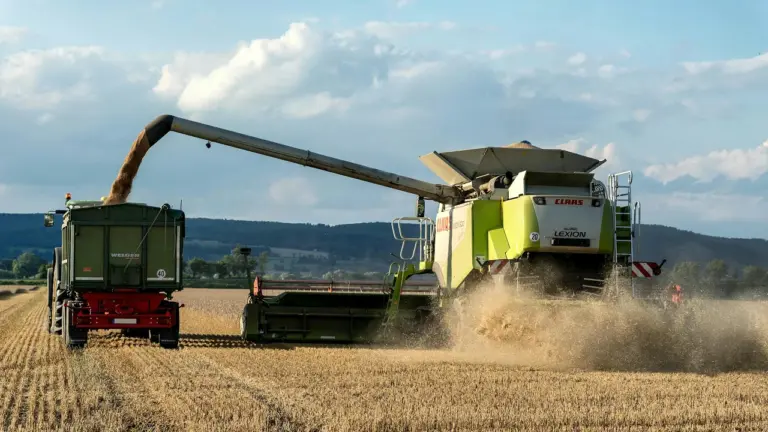
With the growing population, the need for food production will be higher, as well as the need for a lot more water.


Water is the foundation of agriculture, and without it, farming simply cannot exist. Yet across Africa, and particularly in countries like Cameroon, water remains one of the most mismanaged and unpredictable resources in agriculture. Farmers depend heavily on rainfall, and when the rains fail or arrive late, the consequences are immediate: crops dry up, harvests collapse, food prices rise, and entire communities feel the pressure. On the other hand, when water is available, it is often not used efficiently, leading to waste, soil erosion, and long-term degradation of farmland. This imbalance between water availability and water usage has become one of the biggest threats to food security in the region. Sustainable water management is therefore no longer just an agricultural improvement it is a survival strategy. At its core, sustainable water management means using water in a way that meets current farming needs without destroying the ability of future generations to farm the same land. According to https://en.wikipedia.org/wiki/Irrigation, irrigation is the artificial application of water to soil to support crop growth, and it has been used for thousands of years. However, traditional irrigation methods used in many African farming systems such as flood irrigation are highly inefficient. Water is often spread across large areas without control, leading to evaporation, runoff, and uneven distribution. In Cameroon, where many farmers operate on small plots of land with limited resources, these inefficiencies directly reduce productivity and income. This is where technology becomes a game-changer. Modern irrigation systems, such as drip irrigation, allow water to be delivered directly to the roots of plants in controlled amounts. This simple shift drastically reduces water waste while improving crop health. Farmers who adopt such systems often report better yields, lower water usage, and reduced labor costs. Beyond irrigation, technology is also introducing smart monitoring systems that use sensors placed in the soil to measure moisture levels in real time. Instead of guessing when to water crops, farmers can now rely on data-driven insights. This is especially valuable in Cameroon, where rainfall patterns are becoming increasingly unpredictable due to climate change. Even small-scale farmers using mobile-connected sensors can make smarter decisions, ensuring that water is only used when necessary. The combination of traditional farming knowledge and modern irrigation technology is creating a more resilient agricultural system that can withstand environmental stress while improving productivity.
One of the most transformative developments in sustainable water management is the integration of smart irrigation systems, mobile technology, and renewable energy solutions into everyday farming practices. These innovations are not just for large commercial farms they are increasingly being adapted for smallholder farmers across Africa, including in rural parts of Cameroon. Smart irrigation systems use sensors, weather data, and automated controls to determine exactly when and how much water crops need. Instead of relying on fixed watering schedules or manual observation, these systems adjust in real time based on environmental conditions. For example, if rainfall is expected, irrigation can be reduced or paused automatically, preventing unnecessary water use. This level of precision was once unimaginable for small farmers, but today it is becoming more accessible through affordable technologies and mobile integration. Mobile phones play a critical role in this transformation. Farmers can now receive alerts about soil moisture levels, weather forecasts, and irrigation recommendations directly on their phones. This means even farmers in remote villages can benefit from advanced water management insights without needing complex infrastructure. In Cameroon, where mobile phone usage has grown significantly over the past decade, this has opened the door for widespread adoption of digital agriculture tools. Another important innovation is the use of solar-powered irrigation systems. In many rural areas, access to electricity is limited or unreliable, making traditional electric pumps difficult to operate. Solar-powered systems solve this problem by using renewable energy to pump water from wells, rivers, or storage tanks. This not only reduces dependency on fuel and electricity but also lowers long-term operational costs for farmers. In regions of Cameroon with high sunlight availability, solar irrigation is proving to be both practical and sustainable. These systems allow farmers to irrigate their crops even during dry seasons, significantly improving food production stability. At the same time, water harvesting techniques are being enhanced with simple technological improvements. Rainwater collection systems, storage tanks, and small reservoirs are being used more effectively to capture and store water during rainy periods for later use. When combined with smart irrigation and mobile monitoring, these systems create a complete water management cycle that is both efficient and resilient. What makes these technologies powerful is not just their innovation, but their adaptability to local conditions. They do not require farmers to abandon traditional methods entirely; instead, they enhance what already exists. In Cameroon, where farming is deeply rooted in tradition, this balance between old and new is essential for successful adoption. Farmers are more likely to accept technologies that fit into their existing practices rather than completely replacing them. As these systems become more affordable and widely available, they are expected to play a major role in shaping the future of agriculture across Africa.
The broader impact of technology-driven sustainable water management goes far beyond individual farms it directly influences food security, economic stability, and environmental protection across entire regions. In Africa, where agriculture is a primary source of livelihood for millions of people, efficient water use determines not only how much food is produced but also how stable food systems remain in the face of climate challenges. Cameroon is a clear example of this reality, where agriculture supports a large portion of the population and where water-related challenges can quickly translate into economic pressure. When water is mismanaged, the effects are immediate: lower yields, reduced farmer incomes, and increased dependence on food imports. However, when water is managed efficiently using technology, the benefits ripple throughout the entire agricultural value chain. Farmers produce more consistent yields, markets become more stable, and food prices become less volatile. Technologies such as data-driven irrigation systems, satellite monitoring, and AI-assisted water planning are helping to create this stability. According to https://en.wikipedia.org/wiki/Water_resources_management, effective management of water resources involves planning, developing, and distributing water efficiently to meet both human and environmental needs. In agriculture, this means ensuring that every drop of water is used in the most productive way possible. In Cameroon, where climate variability is increasing, this approach is becoming essential for long-term agricultural sustainability. Beyond production, efficient water management also plays a key role in environmental protection. Overuse of water resources can lead to soil degradation, reduced groundwater levels, and ecosystem imbalance. Technology helps prevent these outcomes by ensuring that water is used responsibly and sustainably. For example, precision irrigation reduces runoff and prevents soil erosion, while monitoring systems help detect water stress early before damage occurs. These improvements not only protect farmland but also preserve natural ecosystems that communities depend on. Economically, farmers who adopt sustainable water technologies often experience reduced costs and increased profitability. Less water waste means lower operational expenses, while improved yields lead to higher income. In Cameroon, where many farmers operate on tight margins, these savings can make a significant difference in household stability. More importantly, technology empowers farmers to make informed decisions rather than relying on guesswork. This shift from reactive to proactive farming is one of the most important transformations happening in modern agriculture. As adoption continues to grow, sustainable water management technologies will play a central role in shaping a more resilient, productive, and food-secure Africa.