The effects of industrialization on the environment are undeniable, as is the skepticism surrounding AI’s rapid adoption.


Artificial Intelligence is no longer a distant concept reserved for futuristic cities or high-tech industries. It is already reshaping agriculture in practical, measurable ways, and its importance is growing rapidly as the world faces increasing pressure to produce more food with fewer resources. In Africa, and particularly in countries like Cameroon, agriculture is not just an economic sector it is a lifeline for millions of families. Yet this sector is under strain from climate change, soil degradation, unpredictable rainfall, and rising input costs. Traditional farming methods alone are struggling to keep up with these challenges. This is where AI (Artificial Intelligence) is becoming a powerful force for transformation. According to https://en.wikipedia.org/wiki/Artificial_intelligence, AI refers to systems capable of performing tasks that normally require human intelligence, such as learning, reasoning, and problem-solving. When applied to agriculture, this means machines and software systems that can analyze weather patterns, detect crop diseases, optimize irrigation, predict yields, and guide farmers toward better decisions. What makes AI particularly important in agriculture is not just its sophistication, but its practicality. It helps farmers make sense of complex and often overwhelming information in a simple, actionable way. For example, instead of relying solely on experience or guesswork, a farmer in Cameroon can receive AI-generated recommendations about when to plant crops based on rainfall predictions, soil conditions, and historical data. This reduces uncertainty and increases the likelihood of a successful harvest. AI also plays a major role in improving resource efficiency, which is critical in regions where farming inputs like water, fertilizer, and pesticides are expensive or limited. By analyzing data from sensors, satellites, and weather systems, AI can determine exactly how much of each resource is needed and when it should be applied. This prevents waste, reduces costs, and minimizes environmental damage. In many African farming systems where resources are already stretched thin, this level of precision can make a significant difference in productivity and sustainability. More importantly, AI helps bridge the gap between traditional farming knowledge and modern scientific insights. Farmers in Cameroon have generations of experience, but AI adds another layer of intelligence that enhances their decision-making rather than replacing it. This combination of human knowledge and machine intelligence is creating a new era of agriculture that is smarter, more adaptive, and more resilient. As AI tools become more accessible through mobile phones and digital platforms, even smallholder farmers can benefit from technologies that were once only available to large commercial farms. This democratization of technology is one of the most important shifts happening in global agriculture today.
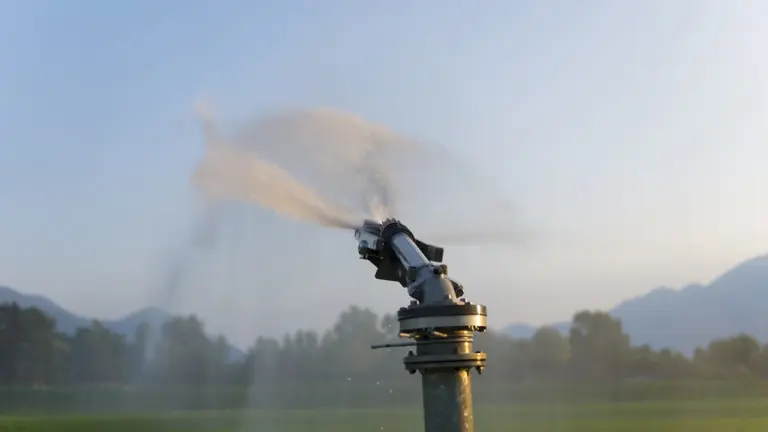
One of the most powerful applications of AI in agriculture is its ability to improve crop health management through early detection and predictive analysis. Crop diseases and pest infestations are among the biggest threats to food production in Africa, often spreading quickly and destroying entire fields before farmers can respond. Traditionally, farmers rely on visual inspection and experience to identify problems, but by the time symptoms become visible, significant damage may already be done. AI changes this by enabling early detection through image recognition, sensor data, and predictive modeling. For example, AI-powered mobile applications can analyze images of crops taken by farmers and identify signs of disease or nutrient deficiency within seconds. This allows farmers in Cameroon to take immediate action before the problem spreads, reducing crop losses and saving valuable resources. In addition to disease detection, AI can also predict pest outbreaks by analyzing environmental conditions such as temperature, humidity, and rainfall. When conditions are favorable for pests, AI systems can send alerts to farmers, giving them time to prepare preventive measures. This proactive approach is far more effective than reacting after damage has already occurred. Another major advantage of AI is its ability to support precision irrigation. Water is one of the most critical inputs in agriculture, yet it is often misused due to lack of accurate information. AI systems can analyze soil moisture levels, weather forecasts, and crop requirements to determine exactly when and how much water should be applied. This ensures that crops receive optimal hydration without wasting water, which is especially important in regions of Cameroon where water availability can be inconsistent. By optimizing irrigation, AI not only improves crop yields but also supports sustainable water management practices. Fertilizer usage is another area where AI is making a significant impact. Overuse of fertilizers can damage soil health and increase production costs, while underuse can lead to poor crop growth. AI systems analyze soil data and crop needs to recommend precise fertilizer applications, ensuring that nutrients are used efficiently. This improves soil fertility over time and reduces environmental harm. The concept of sustainable agriculture, explained at https://en.wikipedia.org/wiki/Sustainable_agriculture, is closely aligned with these practices, as it focuses on meeting current food needs without compromising future generations. In Cameroon and across Africa, these AI-driven solutions are helping farmers move toward more sustainable and profitable farming systems. What makes this transformation even more powerful is its accessibility. Many AI tools are now being delivered through mobile applications, making them usable even in rural areas with limited infrastructure. Farmers do not need advanced technical skills to benefit; they simply need access to a smartphone and basic digital literacy. This accessibility is helping bridge the gap between smallholder farmers and advanced agricultural technologies, creating more equal opportunities across the farming sector.
Beyond farm-level improvements, AI is also transforming agricultural markets, supply chains, and financial systems, creating a more connected and efficient agricultural ecosystem. One of the biggest challenges faced by farmers in Cameroon and across Africa is not just producing food, but selling it at fair and stable prices. Market information is often limited, and farmers are frequently dependent on middlemen who reduce their profits. AI is changing this by analyzing market trends, demand patterns, and pricing data to help farmers make informed selling decisions. With access to this information, farmers can choose the best time and place to sell their produce, maximizing their income. AI-powered platforms can also connect farmers directly with buyers, reducing the role of intermediaries and increasing transparency in the value chain. This leads to fairer pricing and better economic outcomes for rural communities. In addition, AI is playing an important role in improving agricultural financing. Many farmers struggle to access credit because they lack formal financial records or collateral. AI systems can analyze alternative data such as farm productivity, transaction history, and crop performance to assess creditworthiness. This allows financial institutions to offer loans and insurance products tailored to farmers’ actual needs. In Cameroon, where access to formal banking services is still limited in rural areas, this innovation is particularly impactful. It enables farmers to invest in better seeds, equipment, and technology, ultimately improving productivity and income stability. AI is also enhancing supply chain management by improving logistics and reducing post-harvest losses. In many African countries, a significant portion of agricultural produce is lost after harvest due to poor storage and transportation systems. AI can optimize supply chains by predicting demand, planning transportation routes, and ensuring that produce reaches markets quickly and efficiently. This reduces waste and increases profitability for farmers and traders alike. On a broader scale, AI is helping governments and agricultural organizations make better policy decisions. By analyzing large-scale agricultural data, AI can identify trends, forecast production levels, and highlight areas of risk or opportunity. This helps in planning food security strategies and responding more effectively to crises such as droughts or supply shortages. The integration of AI into agriculture is not just a technological shift it is an economic and social transformation that affects every part of the food system. For Africa and Cameroon, this transformation represents a major opportunity to strengthen food security, reduce poverty, and build more resilient agricultural systems. However, for AI to reach its full potential, investment in infrastructure, education, and digital access is essential. Farmers need training, reliable internet, and affordable tools to fully benefit from these innovations. Without these foundations, the gap between technology and real-world impact may remain wide. But with the right support, AI has the potential to redefine agriculture across the continent, making it more efficient, sustainable, and inclusive than ever before.