Electro-Ag enables plants to grow in darkness, reducing energy costs & emissions in vertical farming. A breakthrough for food sustainability.

When Farming Moves Beyond Sunlight
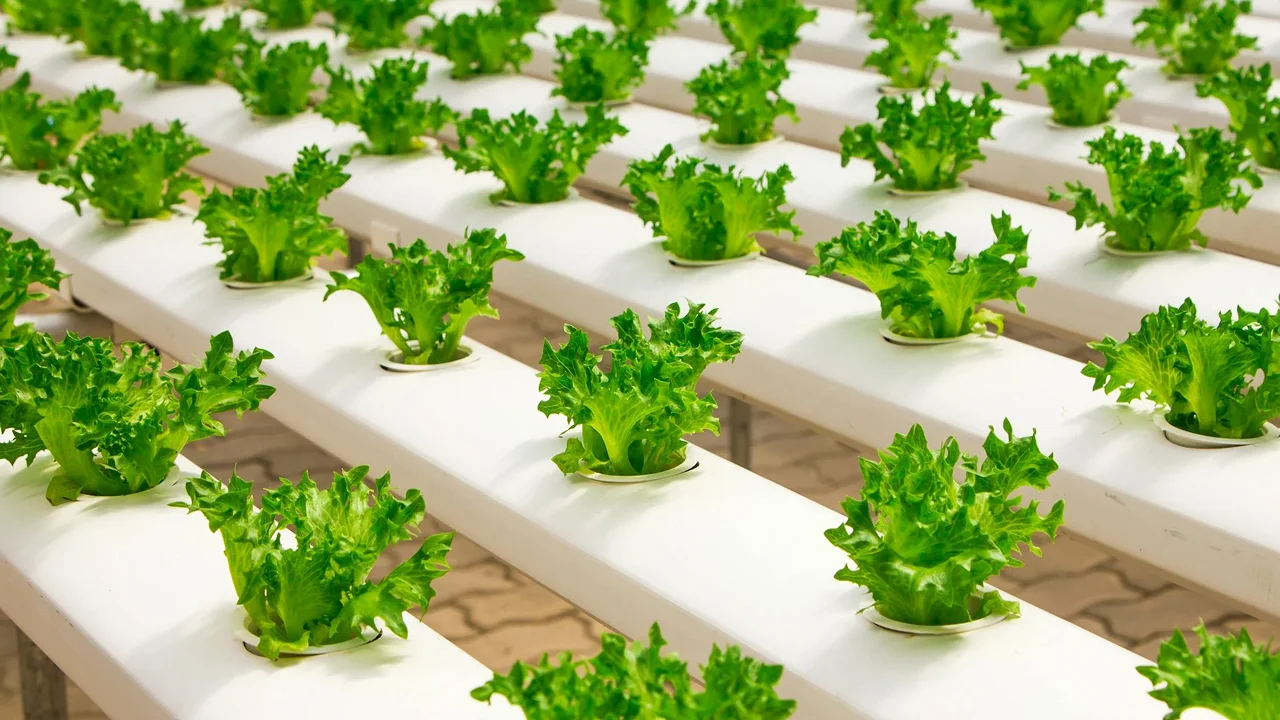
For centuries, agriculture has depended on one powerful natural resource: sunlight. Every farming system from traditional rural farms in Cameroon to large plantations across Africa relies on the sun as the primary energy source for plant growth. But as cities expand, farmland shrinks, and climate conditions become more unpredictable, a new question is emerging: what if plants no longer needed sunlight at all? This is where a revolutionary idea known as Electro-Ag in vertical farming is gaining attention. Instead of relying on sunlight, Electro-Ag uses electricity and controlled environments to grow plants in complete or partial darkness. It sounds unusual at first, but it is already being explored as a serious solution for future food production in urban areas. Vertical farming itself, explained at https://en.wikipedia.org/wiki/Vertical_farming, refers to growing crops in stacked layers, often indoors, using controlled systems like LED lighting, hydroponics, or aeroponics. Electro-Ag takes this concept even further by reducing or completely removing natural light dependency and replacing it with engineered electrical systems that directly support plant growth. In Africa, and especially in rapidly growing cities like Yaoundé and Douala, this innovation could redefine how food is produced in urban environments where space, sunlight access, and climate stability are becoming limiting factors. Instead of waiting for perfect weather or large open fields, food can be produced inside buildings, warehouses, or even underground facilities.
How Electro-Ag Works: Replacing Sunlight with Electricity
Electro-Ag is based on the idea that plants do not necessarily need sunlight itself, but the energy it provides in the form of photosynthesis stimulation. In traditional farming, plants use sunlight to convert carbon dioxide and water into glucose, which fuels their growth. In Electro-Ag systems, this natural process is supported or partially replaced by electrical stimulation combined with artificial lighting systems or advanced biochemical techniques. Instead of depending on unpredictable outdoor conditions, farmers can control every aspect of plant growth light intensity, temperature, humidity, and nutrient delivery. In some experimental systems, researchers are even exploring ways to directly influence plant metabolism using electrical signals, reducing the need for continuous light exposure. This means crops could potentially grow in dark environments such as enclosed vertical farms, shipping containers, or underground facilities. In Cameroon, where electricity access is improving in urban areas, this technology could open new possibilities for year-round food production without relying on seasonal sunlight availability. The ability to control growing conditions also reduces the risks associated with pests, drought, and climate variability. Compared to traditional farming, Electro-Ag systems are highly efficient in space usage, making them ideal for cities where land is expensive or unavailable. A single building could produce the equivalent food output of several hectares of farmland by stacking growing layers vertically. This efficiency is one of the main reasons why vertical farming and Electro-Ag are being explored as future solutions for global food security.
The Promise of Food Production in Controlled Darkness
One of the most fascinating aspects of Electro-Ag is the possibility of growing plants in complete or near-complete darkness. While this concept may seem counterintuitive, it is based on the idea of optimizing plant growth using controlled energy inputs instead of relying solely on natural sunlight. In vertical farming environments, artificial lighting such as LEDs is already used to simulate sunlight, but Electro-Ag pushes the concept further by experimenting with energy-efficient systems that reduce or eliminate the need for constant light exposure. This could dramatically reduce energy costs in the long term while increasing production efficiency. For Africa, where energy costs and infrastructure challenges can limit large-scale indoor farming, this innovation could be transformative if implemented with low-energy systems. In Cameroon, where urban populations are growing quickly, the ability to produce food indoors without depending on sunlight or large farmland areas could help address food supply challenges in cities. Imagine leafy vegetables, herbs, and even certain fruits being grown in fully controlled environments inside buildings, unaffected by weather, drought, or seasonal changes. This level of control also improves food quality and safety, as crops are grown in sterile, monitored environments with minimal exposure to pesticides or external contamination. However, the promise of Electro-Ag is not without challenges. It requires advanced technology, stable electricity supply, and significant initial investment. These barriers mean that widespread adoption in Africa may take time. But as technology becomes more affordable and energy systems improve, especially with renewable energy expansion, Electro-Ag could become a practical solution for urban farming across the continent.
Why Electro-Ag Matters for Africa’s Food Future
Africa is facing a dual challenge: rapid population growth and increasing pressure on agricultural systems due to climate change. Traditional farming methods alone will struggle to meet future food demand, especially in urban areas where land is limited. Electro-Ag and vertical farming offer a different approach one that decouples food production from land availability and weather conditions. This is particularly important for countries like Cameroon, where agriculture remains a key economic sector but is heavily dependent on rainfall and rural land availability. By moving farming into controlled indoor environments, food production can become more stable, predictable, and efficient. This shift could reduce reliance on food imports, stabilize prices, and improve urban food security. According to https://en.wikipedia.org/wiki/Vertical_farming, controlled-environment agriculture can significantly increase yield per square meter while reducing water usage and land requirements. For African cities, this means that food could be grown closer to where it is consumed, reducing transportation costs and post-harvest losses. Another important benefit is job creation in new agricultural technology sectors. Electro-Ag systems require technicians, engineers, and farm operators who understand both agriculture and technology. This opens opportunities for young people in Cameroon who are interested in innovation and agribusiness. Instead of seeing farming as outdated, it becomes a modern, high-tech industry with strong economic potential. At the same time, Electro-Ag could complement traditional farming rather than replace it. Rural farms will still play a key role in producing staple crops, while urban vertical farms handle fresh produce for cities. This balanced system could strengthen overall food security across Africa.
Challenges and the Road Ahead
Despite its promise, Electro-Ag is still an emerging technology and faces several challenges before it can become widely adopted. The most significant barrier is cost. Building controlled environments, installing advanced electrical systems, and maintaining vertical farms require investment that may be difficult for small farmers or startups in Africa. Energy consumption is another concern, although this is being addressed through renewable energy solutions such as solar power. In Cameroon, expanding renewable energy infrastructure could play a key role in making Electro-Ag more viable in the future. There is also a knowledge gap, as many farmers and agribusiness operators are not yet familiar with how these systems work. Education and training will be essential to bridge this gap and ensure successful adoption. Governments, private investors, and agricultural institutions will need to work together to support research, pilot projects, and funding initiatives. Over time, as technology becomes more affordable and accessible, Electro-Ag could move from experimental setups to mainstream urban farming systems. The future of agriculture is likely to be a combination of traditional farming, smart technology, and controlled environment systems working together. Electro-Ag represents one of the most exciting possibilities in this transformation, offering a glimpse into a future where food can be grown anywhere even in darkness.
Energy Efficiency and the Role of Renewable Power in Electro-Ag Systems
One of the biggest questions surrounding Electro-Ag and dark-environment vertical farming is how these systems can be powered sustainably, especially in regions like Africa where energy costs and reliability can still be a challenge. Since Electro-Ag relies heavily on controlled environments such as artificial lighting systems, sensors, climate control, and automated irrigation the energy demand is significant. However, this challenge is also where some of the most important innovations are emerging. The future of Electro-Ag is closely tied to renewable energy, especially solar power, wind energy, and hybrid microgrid systems. In countries like Cameroon, which receive abundant sunlight throughout the year, solar energy presents a major opportunity to power indoor farming systems sustainably. Instead of relying on unstable grid electricity, farmers and agribusiness operators can integrate solar panels to run LED systems, water pumps, and environmental controls. This significantly reduces operational costs over time and makes Electro-Ag more accessible even in semi-urban and rural-urban farming zones. According to https://en.wikipedia.org/wiki/Renewable_energy, renewable energy sources are naturally replenished and are increasingly being used to replace fossil fuels in various industries, including agriculture. In Electro-Ag systems, renewable energy does more than just power equipment it determines scalability. A well-designed solar-powered vertical farm can operate independently from the national grid, making it resilient to power outages and energy price fluctuations. This is particularly important in Africa, where energy infrastructure is still developing in many regions. Another important aspect of energy efficiency in Electro-Ag is the use of low-energy LED lighting systems designed specifically for plant growth. These lights are far more efficient than traditional lighting and can be calibrated to provide only the wavelengths plants need most for growth. This reduces unnecessary energy consumption while maintaining productivity. Combined with automation systems that optimize lighting schedules, temperature control, and irrigation cycles, Electro-Ag farms can significantly reduce waste. In Cameroon’s growing urban centers, integrating renewable energy with vertical farming systems could create self-sustaining food production hubs that reduce pressure on rural agriculture and improve food availability in cities. Over time, this integration of energy and agriculture could reshape how cities think about food production, turning buildings into productive ecosystems rather than just consumption spaces.
Food Security in Cities: How Electro-Ag Can Reduce Dependence on Imports
One of the most pressing challenges facing many African countries, including Cameroon, is the heavy reliance on food imports to meet urban demand. As cities expand and populations grow, local agricultural production often struggles to keep up, especially for perishable foods like vegetables, herbs, and fruits. This gap between supply and demand leads to higher prices, increased vulnerability to global supply chain disruptions, and reduced food sovereignty. Electro-Ag and vertical farming systems offer a powerful solution by enabling cities to produce a significant portion of their own food locally. Instead of transporting vegetables from rural farms over long distances where they may spoil or lose quality food can be grown directly within or near urban centers. This drastically reduces transportation costs and post-harvest losses, which are major issues in many African food systems. According to https://en.wikipedia.org/wiki/Food_security, food security involves ensuring that all people have consistent access to sufficient, safe, and nutritious food. Electro-Ag directly supports this goal by increasing local production capacity in areas where land is limited but demand is high. In Cameroon, cities like Douala and Yaoundé represent major consumption hubs where food demand is constantly rising. By integrating vertical farming systems into urban infrastructure such as warehouses, unused buildings, or dedicated agricultural facilities these cities can reduce their dependence on imported produce from rural regions or even other countries. This localized production also improves freshness and nutritional value, as food can be harvested and delivered within hours instead of days. Another important benefit is price stability. When cities rely heavily on external food sources, prices can fluctuate due to transport issues, fuel costs, or climate disruptions in rural farming areas. Urban Electro-Ag systems create a more controlled supply chain, helping stabilize prices and making food more affordable for consumers. Additionally, local production strengthens food resilience during crises such as droughts, floods, or supply chain interruptions. For Africa, where climate variability is increasing, this resilience is extremely valuable. Electro-Ag does not replace traditional farming but complements it by filling the gap in urban food demand, creating a more balanced and secure food system overall.
Economic Opportunities and Job Creation Through High-Tech Farming
Beyond food production, Electro-Ag and vertical farming systems represent a major economic opportunity, especially for young people in Africa. Agriculture has traditionally been viewed as labor-intensive and low-tech, but the integration of advanced systems like Electro-Ag is changing this perception. Instead of manual farming alone, modern agricultural systems now require skills in technology, engineering, data analysis, and system management. This shift is creating a new category of jobs that combine agriculture with innovation. In Cameroon, where youth unemployment is a growing concern, this presents a significant opportunity for economic transformation. Electro-Ag farms require technicians to maintain systems, operators to monitor environmental conditions, engineers to design efficient layouts, and specialists to manage crop production cycles. These roles are often higher skilled and better paid than traditional farming jobs, making agriculture more attractive to young professionals. At the same time, small entrepreneurs can invest in compact vertical farming systems to supply local markets with fresh produce, creating income-generating opportunities at community level. This decentralization of food production allows individuals and small businesses to participate in modern agriculture without needing large land holdings. Another important economic benefit is the potential for agribusiness development. Companies that invest in Electro-Ag systems can scale production year-round, independent of seasonal limitations. This creates consistent supply chains and more predictable revenue streams. According to https://en.wikipedia.org/wiki/Vertical_farming, controlled environment agriculture can significantly increase productivity per unit area compared to traditional farming, making it highly attractive for commercial investment. In African cities, this could lead to the development of new agritech industries focused on urban farming solutions, equipment manufacturing, and system maintenance. Universities and technical institutes in Cameroon could also play a key role by offering training programs in smart agriculture and vertical farming technologies. Over time, this ecosystem of education, investment, and innovation could position Africa as a strong player in the global agritech industry.
The Future of Farming: Integrating Biology, Technology, and Environment
The long-term future of agriculture is not about choosing between traditional farming and high-tech systems like Electro-Ag, but about integrating multiple approaches into a unified and adaptive food production system. As global challenges such as climate change, population growth, and urbanization continue to intensify, no single farming method will be enough to meet demand. Instead, the future will likely be shaped by a hybrid model where rural agriculture, urban farming, vertical farming, and advanced systems like Electro-Ag all work together. In this model, traditional farms in rural Cameroon will continue to produce staple crops such as maize, cassava, and cocoa, while urban Electro-Ag systems focus on high-value crops like vegetables, herbs, and fish. This balance ensures both food diversity and stability. Technology will act as the connecting layer between these systems, using data, automation, and AI to optimize production across different environments. Biological understanding will also remain essential, as plant science and ecosystem management guide how crops respond to controlled environments. The environmental aspect is equally important, as sustainability must remain at the center of all agricultural innovation. Electro-Ag systems, when powered by renewable energy and designed efficiently, can significantly reduce land use, water consumption, and chemical inputs. This aligns with global sustainability goals and helps reduce agriculture’s environmental footprint. In Africa, this integrated approach could transform food systems from being reactive and vulnerable to being proactive and resilient. Cameroon, with its diverse climate zones and growing urban population, is well positioned to benefit from this transformation. By investing in education, infrastructure, and technology adoption, the country can gradually build a modern agricultural system that combines the best of both traditional knowledge and advanced innovation. The future of farming is not about abandoning the past, but about evolving it into something stronger, smarter, and more sustainable for generations to come.