In 2025, that trend will continue, with niche innovations inching their way to becoming more mainstream practices.

Agriculture in Africa is entering a new phase one that is no longer defined only by tradition, but by innovation, adaptation, and opportunity. Across Cameroon and the wider continent, farmers are facing real challenges: unpredictable rainfall, rising input costs, soil degradation, and limited access to markets. But at the same time, something powerful is happening. Technology is stepping into agriculture in ways that are practical, accessible, and increasingly necessary. The idea of “AgTech” is no longer something reserved for developed countries. It is happening here, on African soil, in real farms, and in real communities. What makes 2025 particularly important is that many of these technologies are no longer experimental they are becoming usable, scalable, and impactful. Farmers who pay attention to these trends are not just staying informed; they are positioning themselves to farm smarter, earn more, and build resilience for the future. The question is no longer whether technology will change agriculture in Africa, but how quickly farmers and agribusinesses will adapt to it.
One of the most important trends to watch is the rise of precision agriculture, which is gradually transforming how farmers make decisions. Instead of relying only on experience or guesswork, farmers are beginning to use data to guide their actions. This includes information about soil health, weather patterns, and crop performance. In Cameroon, where smallholder farming dominates, even simple tools like mobile weather updates are already making a difference. A farmer who knows when rain is coming can plan planting more effectively, reducing losses and improving yields. Precision agriculture does not always require expensive machines; sometimes it starts with something as simple as better information delivered at the right time. As access to smartphones and digital tools increases, more farmers are beginning to adopt this approach, leading to more efficient use of resources like water and fertilizers.
Another trend gaining momentum is the growth of digital marketplaces for agricultural products. For decades, many farmers in Africa have depended on middlemen to sell their produce, often receiving low prices with little transparency. Digital platforms are changing that by connecting farmers directly with buyers. In Cameroon, this is especially important for products like cocoa, coffee, and fresh produce. Farmers who can access market information and negotiate directly are in a much stronger position. These platforms also reduce post-harvest losses by helping farmers find buyers quickly. The shift toward digital trading is not just about convenience it is about fairness, better income, and greater control over one’s business. As internet access improves, this trend is expected to grow rapidly.
Climate-smart agriculture technologies are also becoming essential rather than optional. Climate change is already affecting farming across Africa, and Cameroon is no exception. Rainfall is becoming less predictable, and extreme weather events are more common. Technologies that help farmers adapt to these changes are critical. This includes drought-resistant seeds, efficient irrigation systems, and tools that monitor environmental conditions. Farmers who adopt these solutions are better prepared to handle uncertainty. In many cases, even small changes like improved water management can significantly increase resilience. This trend is not just about technology; it is about survival and sustainability.
The use of mobile financial technology in agriculture is another major development to watch. Access to finance has always been a challenge for farmers, especially in rural areas where traditional banking services are limited. Mobile money and digital financial platforms are changing this by allowing farmers to send and receive payments, access credit, and manage their finances easily. In Cameroon, mobile money is already widely used, and its integration into agriculture is opening new doors. Farmers can now invest in inputs, pay workers, and save money more efficiently. This financial inclusion is a key driver of growth because it enables farmers to expand and improve their operations.
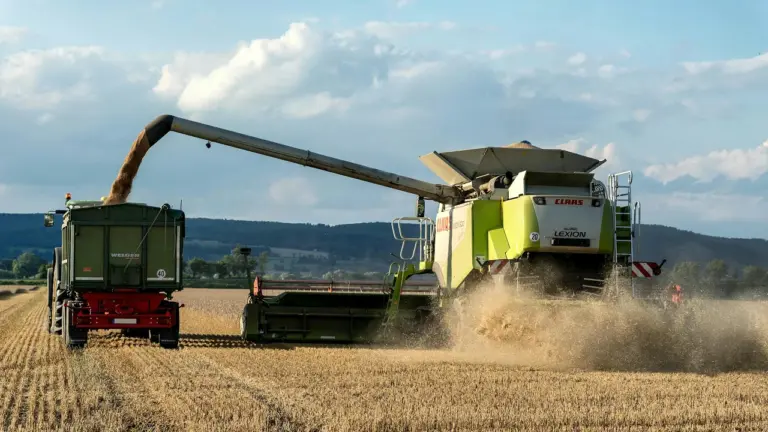
Automation and mechanization, even at a small scale, are also becoming more visible in African agriculture. While large tractors and advanced machines may not be accessible to every farmer, smaller, more affordable tools are beginning to make an impact. These include simple planting machines, irrigation systems, and even shared equipment services where farmers can rent machinery instead of buying it. In Cameroon, where labor can be both expensive and inconsistent, these tools help reduce workload and increase efficiency. Over time, automation will continue to evolve, making farming less physically demanding and more productive.
Another trend shaping the future of agriculture is the use of drones and remote sensing technology. Although still emerging in many parts of Africa, drones are being used to monitor crops, map farmland, and identify issues such as pests or nutrient deficiencies. For larger farms and agricultural projects in Cameroon, this technology offers a new level of visibility and control. Instead of walking through fields to identify problems, farmers can get a full overview from above. As the cost of drones decreases, their adoption is expected to increase, making them more accessible to a wider range of farmers.
Finally, the integration of data and analytics into farming decisions is becoming increasingly important. Agriculture is no longer just about planting and harvesting it is about understanding patterns, predicting outcomes, and making informed choices. Farmers who keep records and analyze their activities are better positioned to improve their results. This trend is closely linked to the broader movement toward digital transformation in agriculture. In Cameroon, encouraging farmers to adopt even basic record-keeping practices can lead to significant improvements over time. As tools become more user-friendly, data-driven farming will become more common.
What makes these seven trends so important is not just the technology itself, but the way it fits into the realities of African agriculture. These are not distant innovation they are practical tools that can be adapted to local conditions. For farmers in Cameroon, the opportunity is clear: those who begin to explore and adopt these trends will be better prepared for the future. Agriculture is changing, and the pace of that change is accelerating. The farmers who succeed will be those who are willing to learn, adapt, and take advantage of the opportunities that technology provides.
The future of farming in Africa is not about replacing tradition but enhancing it. It is about combining knowledge passed down through generations with modern tools that make farming more efficient and profitable. These seven trends represent a shift toward a smarter, more connected, and more resilient agricultural system. For Cameroon, embracing these changes could mean stronger food security, better incomes for farmers, and a more competitive agricultural sector. The time to pay attention is now, because the future of agriculture is already unfolding.